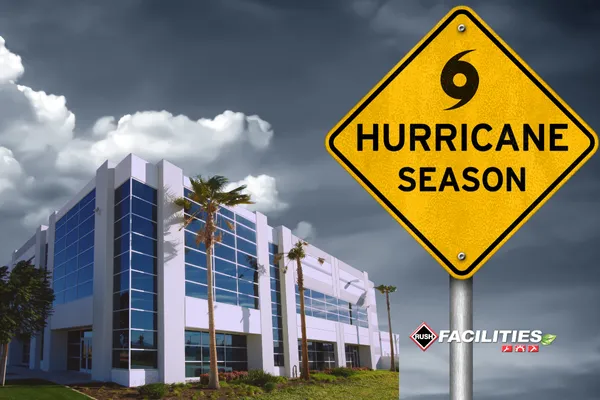
Hurricane Preparation for Commercial Properties
Hurricane Preparation for Commercial Properties
Why Is Hurricane/Storm Preparedness Important?
Once a storm is underway, it’s too late to protect your facility. Preparing ahead of time helps prevent damage, minimizes downtime, and reduces financial losses. It also ensures your operations remain compliant with safety regulations and insurance expectations. Perhaps just as important, it reassures employees that their safety is being prioritized—building trust and confidence in your organization’s emergency readiness.

Preparedness in Budget Season
Storm planning should begin during your budgeting cycle. This allows time to inspect equipment, address known vulnerabilities, and replace failing components without last-minute delays. Loose signage, deteriorated roof systems, and unsecured outdoor elements can be resolved well before hurricane season. Early planning also helps avoid long lead times and supply shortages common as storms approach. Starting conversations with your team early ensures everyone is informed and ready to act if needed.
Preparedness Checklist

A storm readiness checklist ensures nothing is overlooked. Start by reviewing and updating your emergency response plan, including evacuation routes and communication procedures. Secure all outdoor items such as furniture, signage, and equipment that could become airborne. Back up critical business data and store essential documents in a secure, offsite or cloud-based location. Inspect the building for structural vulnerabilities, including roof anchoring, drainage systems, and window integrity. Make sure all employees are familiar with the plan, and coordinate with local emergency services if applicable.
Basic Emergency Kit

Your facility should maintain an emergency supply kit that is accessible and ready at all times. Include enough water and nonperishable food to last at least three days in case staff must shelter in place. Flashlights and extra batteries are essential for navigating power outages. First aid supplies should be well‑stocked and updated regularly. A battery‑powered radio will provide updates if digital communication goes down. Finally, include a printed contact list of key personnel, emergency services, and utility providers.
Preparedness by Property Type
Each commercial property type has unique storm planning needs.
Office Buildings: Prioritize data backup and employee safety protocols.
Retail Stores: Secure inventory and reinforce storefront glass and doors.
Warehouses: Check shelving systems and secure loading dock doors and racking.
Hospitality: Have clear evacuation plans for guests, along with staff communication procedures.
Healthcare Facilities: Ensure uninterrupted access to power for medical equipment and secure supplies and patient-care essentials.
Post Storm Assessment
Once it's safe to return, begin with a visual inspection for hazards like downed power lines, flooding, or structural damage. Perform a building walk-through, document issues with photos or video, and contact the property owner, utility providers, and maintenance personnel to coordinate recovery efforts.
Post Storm Season
After hurricane season ends, inspect the property to identify lingering issues. Assess the roof, windows, and exterior finishes; secure or remove any damaged items; prune trees and vegetation; and review prior damage documentation. Schedule repairs and maintain communication with property managers, utility companies, and maintenance teams to prep for the next season.
Summary and Resources
Preparedness saves lives, protects assets, and keeps businesses operational. Tailoring a disaster plan to your property’s specific needs is the most effective approach. RUSH Facilities offers a full suite of services to support your storm-preparedness strategy:
Conduct through Facility HVAC inspections to ensure temperature control and backup systems are storm-ready.
Utilize our Electrical & Green Energy services to check backup generators, emergency lighting, and electrical resilience.
Rely on Facility Construction Services to repair structural weaknesses, reinforce roof attachments, and secure openings.
Have our Tech‑in‑a‑Truck teams perform last‑minute fixture and hardware securing or minor repairs.
Engage Facility Custodial & Disinfection for post-storm cleanup and sanitization work.
Stay informed by monitoring local emergency broadcasts and official websites like Ready.gov, FEMA.gov, Tropical Tidbits, and Mike’s Weather Page. Being proactive with RUSH Facilities means you’re not just compliant—you’re prepared.


